
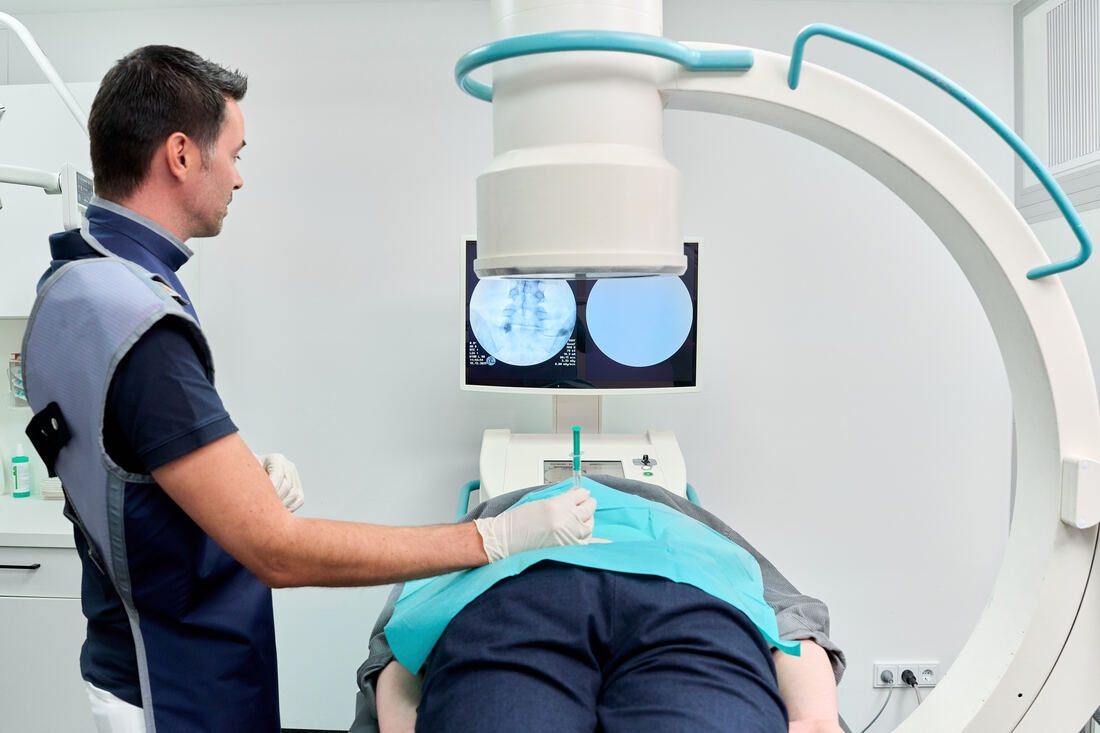
The Spine surgery is there for the few patients who are not sufficiently helped by conservative treatment and targeted injections. Our surgeons operated for many years at the university hospital and specialise in endoscopic and minimally invasive procedures . Operations are performed in our partner hospitals in Munich, Arabellaklinik/Herzogpark Klinik and Artemed Klinik München Süd. Preparation and aftercare are provided by the same doctor in our practice.
At a glance
- Endoscopic disc surgery through an incision of about 8 millimetres
- Decompression for spinal stenosis – often without fusion
- Stabilisation (spinal fusion) only in true instability
- Surgeon = treating doctor: no switching between practice and hospital
- Independent second opinion possible before any spinal surgery
When does spine surgery make sense?
Surgery is urgent in the case of increasing paralysis and bladder or bowel dysfunction. It becomes a planned option when nerve pain persists for weeks despite consistent therapy, when walking distance is permanently limited by spinal stenosis or when a spinal segment is unstable. We do not operate "on suspicion" because of an MRI image: image and symptoms must match.
- 1UnderstandConsultation, examination, imaging, diagnostic injection if needed
- 2StrengthenPhysiotherapy, training, medication, load management
- 3Targeted treatmentInjections, radiofrequency, shockwave, regenerative procedures
- 4Surgeryonly when necessary – as minimally invasive as possible
Our surgical procedures
| Procedure | Typical indication | Special feature |
|---|---|---|
| Endoscopic disc surgery | Herniated disc with sciatica or arm pain | Incision approx. 8 mm, muscles are only pushed aside |
| decompression | Spinal stenosis, narrowing of the nerve exit foramina | endoscopic or microsurgical, usually without fusion |
| Spinal fusion | Instability, marked spondylolisthesis, deformity | only if decompression alone is not enough |
| Kyphoplasty | painful vertebral fracture due to osteoporosis | Restoring height and stabilising with bone cement |
| Neuromodulation | chronic nerve pain, including after previous surgery | Trial stimulation before final implantation |
Process: from indication to follow-up
- Examination and indicationWe review findings, symptoms and alternatives and openly discuss benefits and risks.
- PlanningSurgery date at the partner hospital, informed consent, anaesthesia preparation, clarification of cost coverage.
- SurgeryYour doctor from the practice operates on you personally. After endoscopic procedures, usually only a short hospital stay is needed.
- AftercareFollow-up visits at the practice, physiotherapy and a gradual return to daily life, work and sport.
Risks – and what reduces them
Every operation carries risks, such as infection, bleeding, injury to nerves or the dura, and recurrent disc herniation. Gentle approaches, careful patient selection and experience reduce these risks considerably. We discuss your personal risk before every decision.
Second opinion: If you already have a recommendation for surgery, we are happy to review it independently – even if you then want to be operated on elsewhere. About second opinions.
Frequently asked questions
- How long does recovery take after endoscopic disc surgery?
- Many patients get up on the day of surgery. Light office work is often possible after one to three weeks, physical work and sport after six to twelve weeks – depending on the findings.
- Where are operations performed?
- In our partner hospitals in Munich: Arabellaklinik/Herzogpark Klinik and Artemed Klinik München Süd. You are operated on by your doctor from the practice.
- Does a decompression have to be followed by fusion?
- In most cases, no. Fusion is only necessary if the segment is unstable or would become unstable due to the decompression.
- Does health insurance cover the operation?
- Medically necessary spinal operations are covered by statutory and private health insurance. We clarify cost coverage before the procedure.
Your doctors for this topic
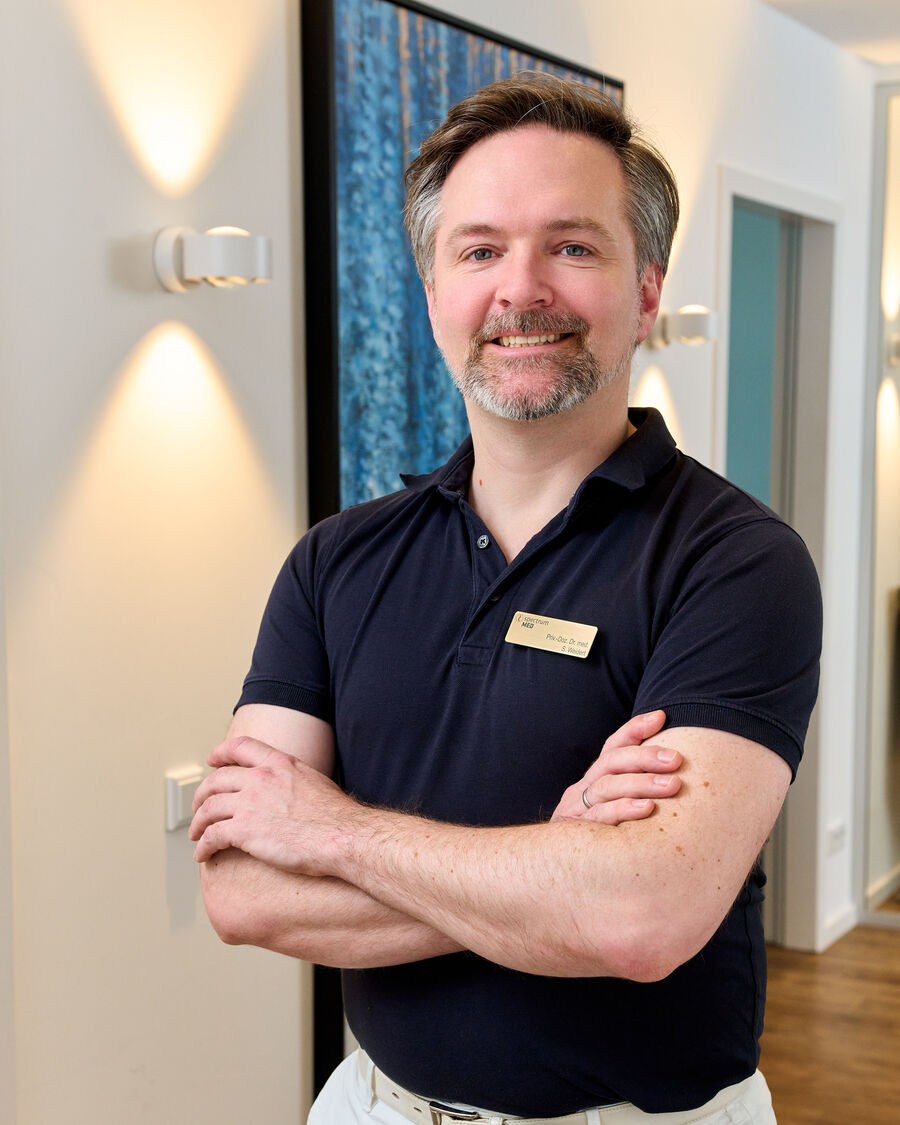

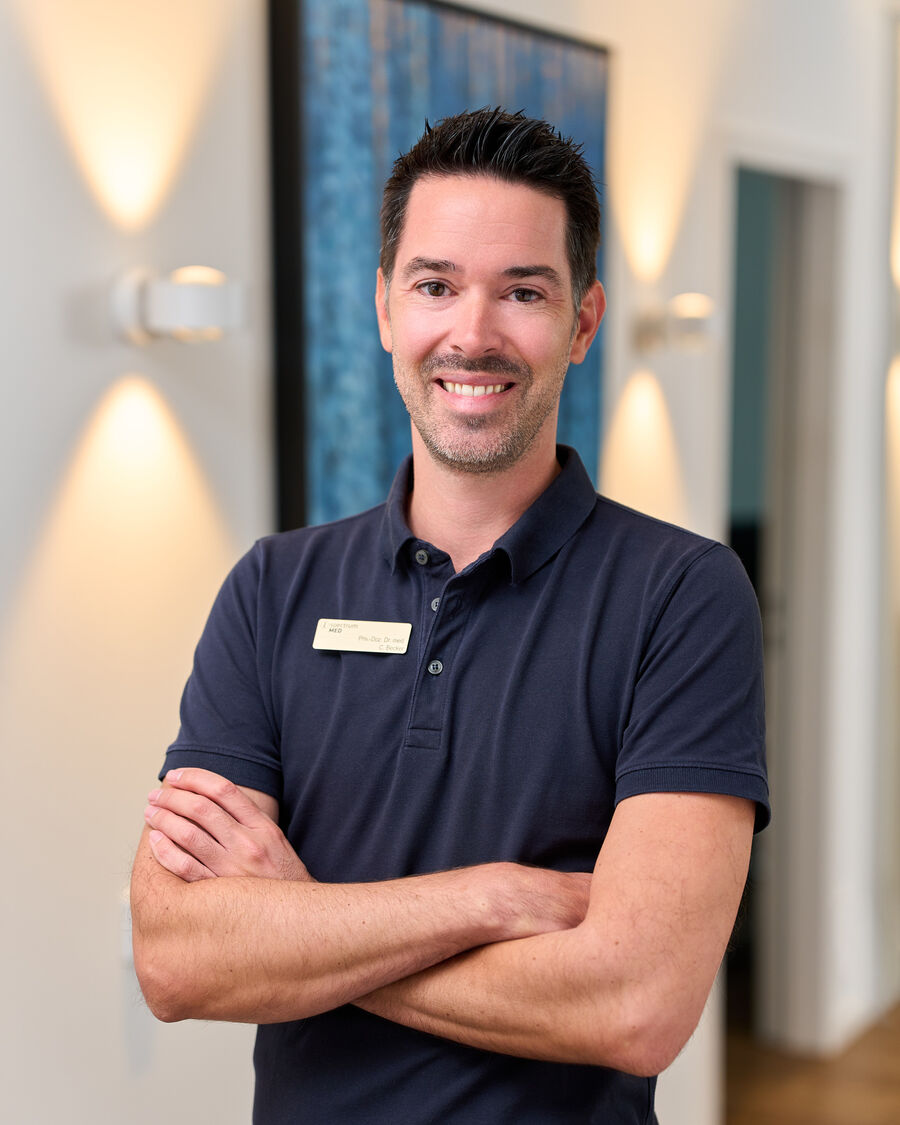
Updated: November 2026 · spectrum MED practice, Sendlinger Straße 37, Munich. This article does not replace a medical examination.